My current work focuses on Death, Dying, Human Remains, and Museums.
One project I am working on for this is Mors Mortis Museum, with Dr. Trish Biers, as a public engagement project for deathscapes and museums. Our current project is the publication of Museums, Heritage, and Death with Routledge publishers and approximately 50 fantastic contributors from around the world. Read more about the project at Museums, Heritage, and Death.
I am also working on a manuscript called What Remains on historical perspectives and contexts of human remains and museums. It has been slightly derailed by COVID, but I am working with UMass Amherst to publish this monograph in the next few years.
Related Publications:
Under Review. Clary, Katie, Carolyn Dillian, Harold Hatcher, and Cheryl Cail. “Death, Bodies, Burial, and the Law: The Plight of Non-Federally-Recognized Indigenous Groups in the United States.” in Displays of Grief and Commemoration in our Communities, ed. Robyn Lacy and Robert Spinelli. Accepted by Berghan Books Publishers. (peer-reviewed)
Under Review. Clary, Katie, Carolyn Dillian, Harold Hatcher, and Cheryl Cail.”Decolonizing Federal Policies for Native American Death Ways.” In Decolonizing Death Studies, edited by Panagiotis Pentaris, Stacey Pitsilldes, and Hajar Ghorbanu. Routledge, London: Taylor and Francis, TBD. (peer-reviewed)
Stringer Clary, Katie and Trish Biers. The Routledge Handbook of Museums,
Heritage, and Death. Routledge Handbooks on Museums, Galleries, and Heritage Series. London: Taylor and Francis, July 26, 2023.
↠ Stringer Clary, Katie. “Historic House Museums and death, dying, and ghost tours.” in Museums, Heritage and Death. Routledge Companion Series. Oxford: Routledge, TBD.
↠ Stringer Clary, Katie. ““Historical Contexts of Bodies, Display, and Spectacle.” in Museums, Heritage and Death. Routledge Companion Series. Oxford: Routledge, TBD.
Stringer Clary, Katie. “Human Remains in Museums Today” in American Association for State and Local History Quarterly History News, Autumn 2018: 12-17.
Invited to deliver History Forum Keynote address at Duquesne University, Pittsburgh, PA, October 2023. “What Remains: The Human Remains Haunting Our Museum Collections.” Available online at: https://www.youtube.com/watch?v=iSUC3l3ndCE
Biers, T. and Stringer Clary, K. Interview on The Death Studies Podcast hosted by Michael-Fox, B. and Visser, R. Published 21 September, 2022. Available at: www.thedeathstudiespodcast.com , DOI: 10.6084/m9.figshare.21175312
Related Conference Presentations:
2024
“Detached from Death: non-federally recognized indigenous peoples’ missing rights” at the Center for Death and Society conference, June 2024. University of Bath, UK.
“ENTANGLED LEGACIES: HUMAN, FOREST, AND TREE DYNAMICS” at the Society for America Archaeology, New Orleans, LA, April 2024.
2023
“Indigenous and Subjugated Bodies: Historical Contexts and Contemporary Implications.” At Cambridge University, Cambridge Heritage Symposium. Encountering Human Remains: Heritage Issues and Ethical Considerations. May 2023, Cambridge University, UK.
“Haunted Houses and Horrific Histories” at the Association for the Study of Death and Society Death, Dying, and Disposal 16 Conference. September 2023, University of Padua, Italy.
Exhibits in Collaboration with Native American Descendant Communities: Methods, Models, and Mis-steps,” with Carolyn Dillian, Harold Hatcher, and Cheryl Cail, at the Association for Living History, Farm, and Agricultural Museums, Conway, South Carolina, March 2023.
2022
‘Teaching Death and Human Remains,” at Death and Culture Network Conference, St. John’s
University, York, UK, September 2022.
2021
↠ “Museums, Heritage, and Death” and “Museums, Heritage, and Death II” Panel Chair and Co-Convener. Association for Death and Dying 15th Annual Conference on the Social Context of Death, Dying and Disposal: Diversity and Decolonisation, University of Manchester, UK, September 2021. Co-convened with Dr. Trish Biers.
↠ “Working with Local Communities to Interpret Uncomfortable Histories for the Public” on the Museums and Death panel, at the Association for Death and Dying 15th Annual Conference on the Social Context of Death, Dying and Disposal: Diversity and Decolonisation, University of Manchester, UK, September 2021.
2020
↠ ‘Entertaining Bodies: Human Remains as Spectacle in Museums,” at Death and Culture Network Conference, St. John’s University, York, UK, September 2020. Online due to COVID-19.
2019
↠ “Colonial Contexts of Collections: What Remains in Museums,” at the 14th International Conference on the Social Context of Death, Dying, and Disposal, University of Bath, Bath, UK, September 2019.
↠ “Mors Mortis Museum: Using Public Spaces and Social Media to Talk about Death,” at the 14th International Conference on the Social Context of Death, Dying, and Disposal, University of Bath, Bath, UK, September 2019.
2018
↠ “Human Remains and Museums,” Corpses in Cabinets panel at the Death and Culture Network Conference, University of York, York, United Kingdom, September 2018.
“Death and Display, Bodies and Boundaries,” Chair and discussant for roundtable, at the National Council on Public History Annual Meeting, Las Vegas, Nevada, March 2018.
Learn more here:
Blogs about this new work available here.
From 2018:
Lately I’ve contemplated where my research will take me following the publication of my manuscript on accessibility for people with special needs, the publication of a chapter on accessibility in education in The Manual for Museum Learning, 2nd Edition, and continuing my work towards truly accessible museums.
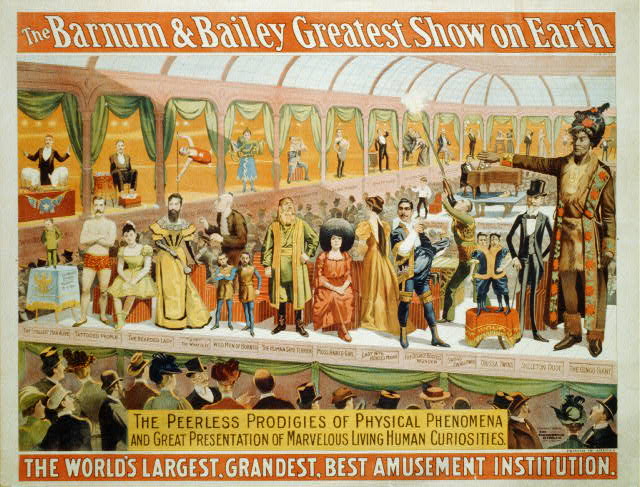
I’ve decided to take a new track based on the historiographical work I did in my dissertation on museum history and the use of human bodies and human remains in museums. My previous work focused on living humans, often billed as “freaks“, in museums and other exhibitions; now I want to focus on the corporeal remains that we still see in museums today: mummies, bog bodies, medical specimens, skeletons, relics, shrunken heads, and so much more. What laws (aside from NAGPRA) govern the display and collection of human remains? What are the ethics involved here? How does the public react to these remains? These are just some of the questions I hope to answer as I embark on a new research plan.
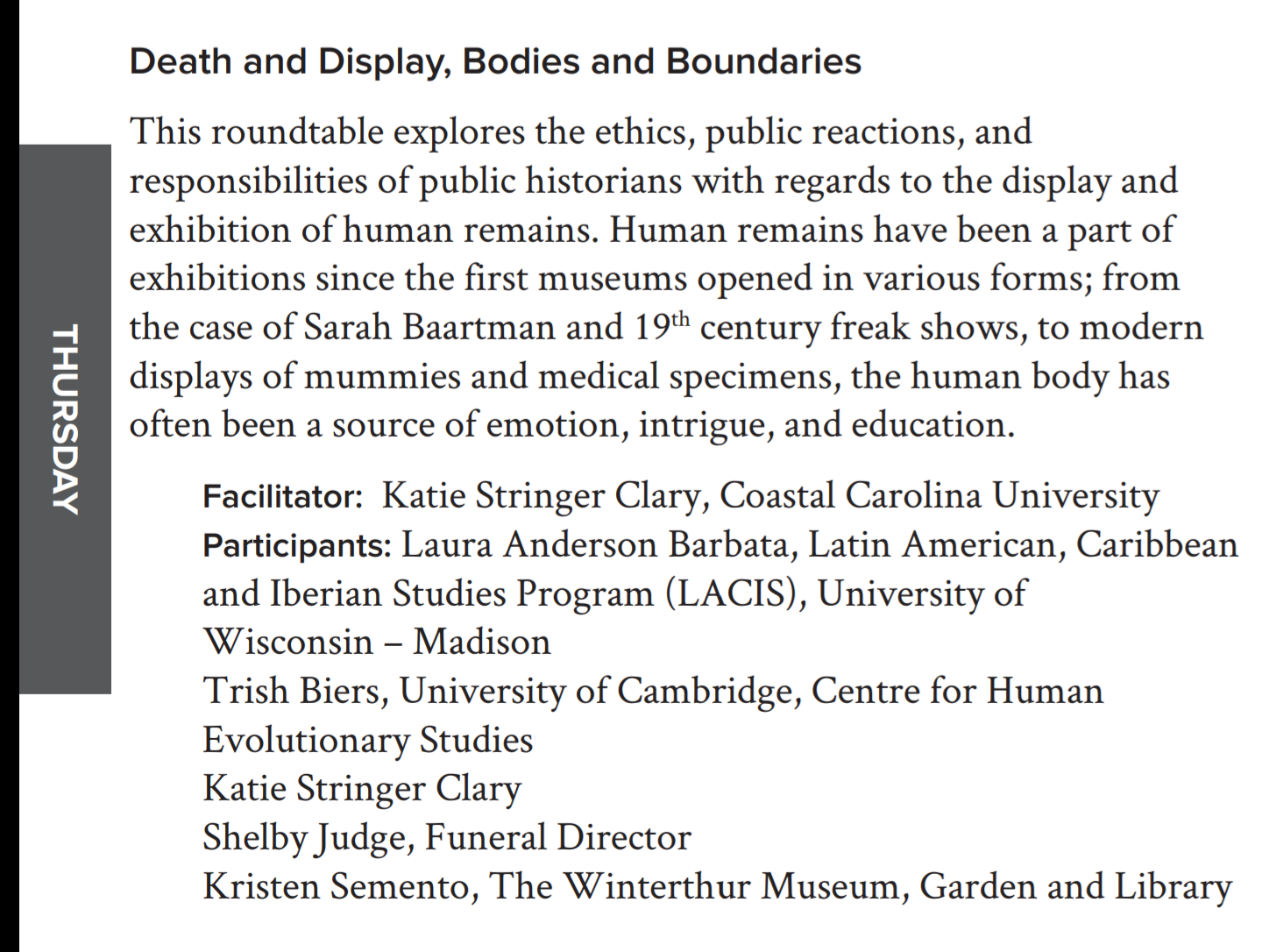
I have organized a roundtable at the National Council on Public History meeting in 2018 in Las Vegas, Nevada to present preliminary findings and bring together a fascinating group of women who study these questions. Our presentation, “Death and Display, Bodies and Boundaries” will explore our own work and also encourage participation from our audience. I’ve invited my former college roommate, Shelby Judge, a modern funeral director; Laura Anderson Barbata, artist and activist; Dr. Trish Biers, osteoarchaeologist at Cambridge University museums; and Kristen Semento from Winterthur Museum and Gardens.
As I planned my most recent trip abroad, I knew I would have the opportunity to visit international museums that are working with these issues. What I didn’t know was the amount of opportunities that would present themselves on my trip. My future blogs will detail some of the places I visited and some of the remains I encountered in Ireland and Scotland.
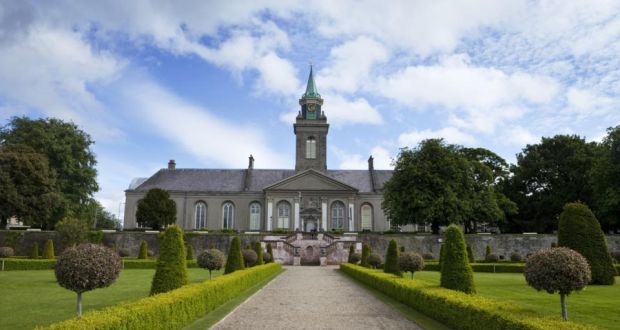
The first stop on my trip to Ireland was the Irish Museum of Modern Art. I had just arrived in Ireland, my hotel room was not ready, and my husband and I needed to get out and see the sights while we waited. The only problem was: I don’t think I have ever been as exhausted as I was on this museum visit. I was jet-lagged. I was running none hour of plane sleep. It. Was. Awesome.
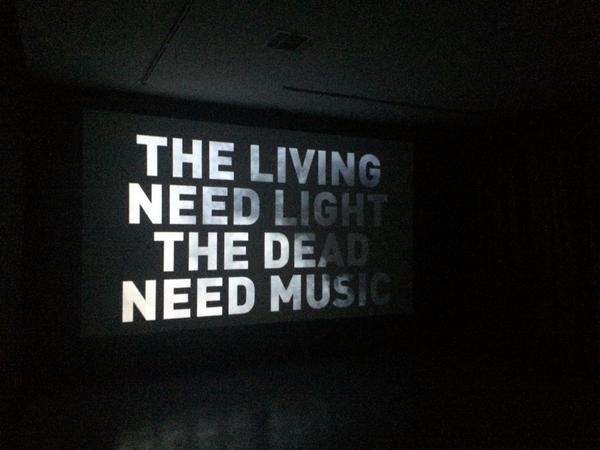
You may have read my thoughts on art museums in the past; in short, I’m not their biggest fan. IMMA was in a great historic building, and there were some interesting exhibits while we were there. However, there was one exhibit in particular that spoke to me through my sleepy haze and has stuck with me. It also set the tone for my exploration into death and bodies.
In the back of the museum, in a quiet, dark room with benches (the initial attraction, let’s be real), I encountered a film installation. The piece, titled The Living Need Light, The Dead Need Musicby The Propeller Group is probably the best video installation I have ever seen. Their description reads:
The Living Need Light, The Dead Need Musicis a visual and musical journey through the fantastical funeral traditions and rituals of south Vietnam. It attempts to engage in dialogue with funerary traditions that pulsate in the same vein throughout the global south. The film merges documentary footage of actual funeral processions with stunning re-enactments that bring the film into the realm of the abstract, poetic and metaphorical – a rumination on death and the lives that pay homage to it.
I encourage you to watch the video in its entirety if you can. It is so fascinating, beautiful, disturbing, scary, and amazing all at the same time. The fact that I was almost at a hallucinatory stage of tiredness only heightened by appreciation for the piece. However, it stands up even as I re-watch it today.https://www.youtube.com/embed/oxiyEp1xtXA?version=3&rel=1&fs=1&autohide=2&showsearch=0&showinfo=1&iv_load_policy=1&wmode=transparent
So that’s it! I’m on a new program of research, and I’m so excited to have already been welcomed with open arms by so many Death Historians and Death Academics. Thank you, and I can’t wait to let you all know more about my research!
 Katie Stringer Clary, PhD